Hotel Tibet
Hotel Tibet, a family-run boutique hotel that have blended traditional Tibetan designs with a touch of modern simplicity.

Expedition and Climbing

Duration
27 Days Trip
Meals
26B, 27L, 26 D
Start Point
Kathmandu
End Point
Kathmandu
Style
Guided Expedition
Max. Altitude
6,440 m at Cholatse Peak
Trip Grade
Challenging to Strenous
Lodging
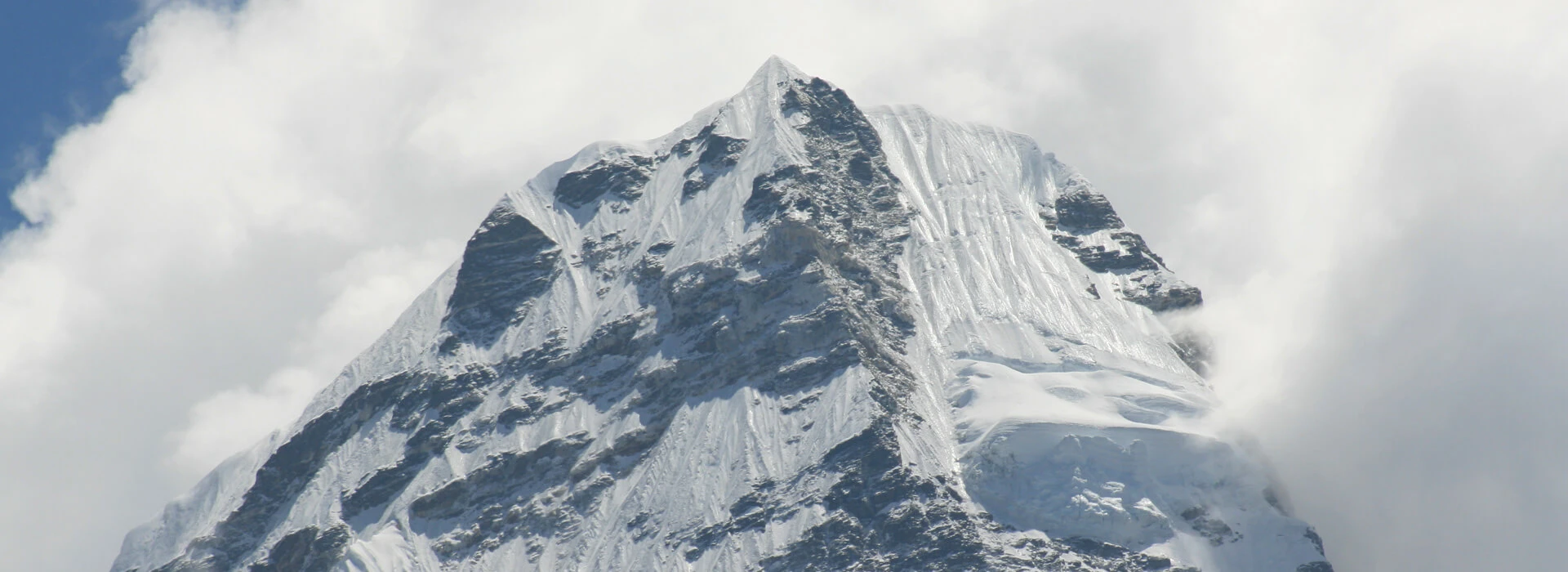
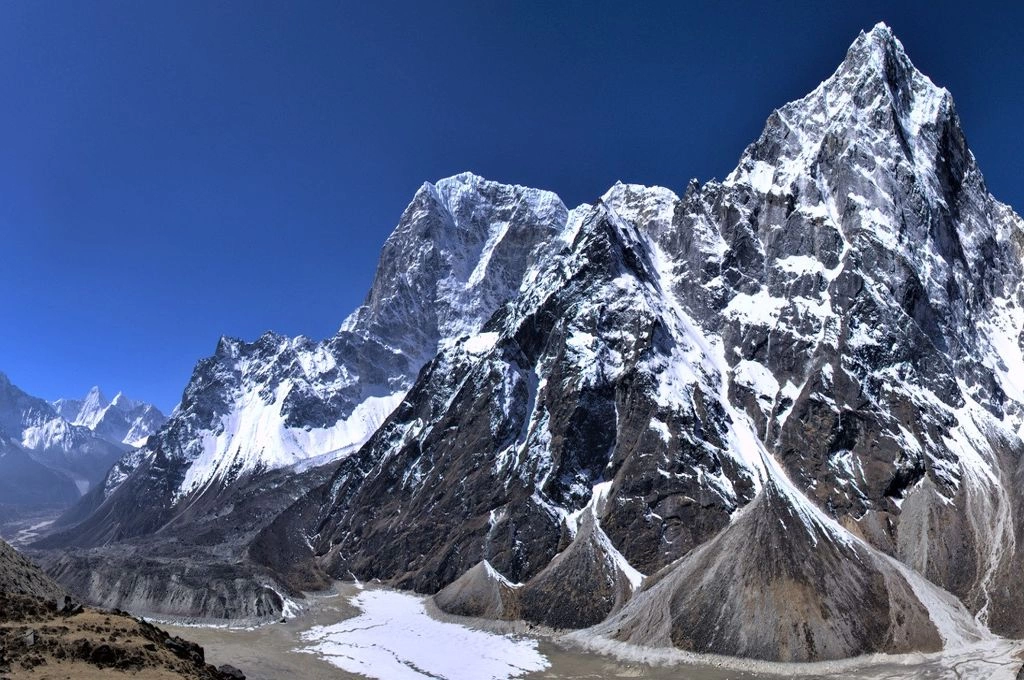
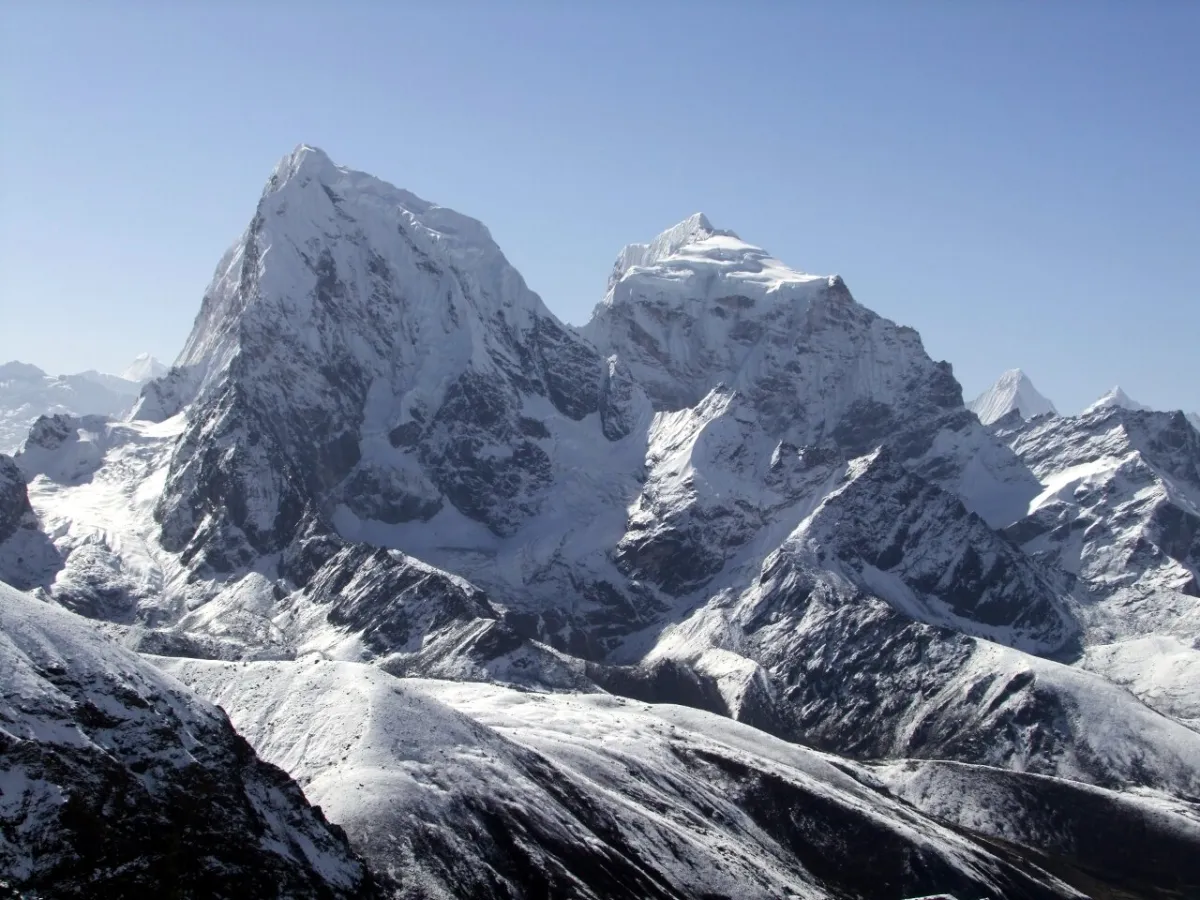
Teahouses (Mountain Lodges), Hotels in KathmanduThe Cholatse Peak Expedition is one of Nepal’s premier high-altitude adventures, offering a rare combination of technical climbing, stunning Himalayan scenery, and immersive Sherpa culture. Standing at 6,440 m (21,119 ft), Cholatse is renowned for its dramatic rock and ice faces, sharp ridges, and pristine alpine environment, making it a sought-after objective for serious mountaineers and adventurous trekkers.
The journey begins with a scenic flight to Lukla, followed by a classic trek through the Khumbu region, passing vibrant Sherpa villages such as Namche Bazaar, Tengboche, Pangboche, and Phortse. Along the way, trekkers experience the region’s unique culture, visit ancient monasteries, and witness the daily life of high-altitude communities. The trekking route offers ever-changing landscapes, from lush pine and rhododendron forests to alpine meadows and glacial moraines, all set against the backdrop of Ama Dablam, Taboche, Lhotse, and Everest.
Upon reaching Cholatse Base Camp, climbers begin the technical portion of the expedition, including gear checks, acclimatization hikes, rope fixing, and training on snow and ice slopes. The expedition is carefully paced to ensure proper altitude adaptation, safety, and mental preparation for the summit push. Summit day is a true test of endurance, skill, and determination, with challenging rock and ice climbing, exposure to high-altitude conditions, and breathtaking alpine vistas.
Standing on the summit of Cholatse rewards climbers with panoramic views of the Khumbu Himalaya, including Everest, Nuptse, Lhotse, Taboche, Ama Dablam, and other iconic peaks, creating an unforgettable sense of achievement. Descending safely back to base camp completes the expedition, with memories of both mountaineering triumph and cultural immersion.
This expedition is ideal for experienced trekkers, aspiring climbers, and adventure seekers who wish to combine technical high-altitude climbing with one of the most scenic trekking regions in the world. Guided by expert Sherpa teams, the Cholatse Expedition balances adventure, safety, and the awe-inspiring beauty of the Himalayas.
You will arrive at the Tribhuvan International Airport, Kathmandu, Nepal. Once you arrive, our representative will be holding cards with your name to welcome you and drive you to the hotel.
Upon reaching the hotel, you will get refreshed and rest. Or you can explore Thamel, the liveliest area in Kathmandu. Also, ensure all the needed gear is ready.
Overnight in Kathmandu.
This day in Kathmandu (~1,400 m) is designed for light sightseeing and trek preparation. Trekkers can explore the city’s rich cultural landmarks, such as Swayambhu Nath (Monkey Temple), Boudhanath Stupa, or Durbar Square, depending on time and preference.
In addition to sightseeing, this day is used for expedition preparation: checking gear, repacking, arranging permits (TIMS and Sagarmatha National Park), and reviewing the itinerary with your guide. It ensures that all equipment is ready, and climbers are well-informed about altitude, safety, and trekking logistics.
Today, your day will begin with an exciting flight from Kathmandu to Lukla. The plane will be airborne for 30 minutes, and after you touch down, you will join the other team members. If you have to purchase some things, you can get them there, and afterward, we will proceed to Phakding. The journey from Lukla starts with a beautiful mountain flight, traversing a mild downhill path through charming Sherpa settlements, pine woodlands, and beside the Dudh Koshi River. Hikers walk by mani walls, prayer wheels, and suspension bridges as they take in their initial glimpses of the Khumbu area. The hike is straightforward and aids in acclimatization as the path travels to Phakding or a bit beyond to Monjo, where inviting tea houses, riverside views, and friendly Sherpa warmth create a pleasant initial night on the Everest journey.
Max. Altitude
2,860 m
Overnight
Phakding / Monjo
Duration
4–5 hrs.After breakfast, we will trek to Namche Bazaar, also known as the Gateway to Everest, situated at an altitude of 3440m, which is one of the top destinations in this region.
The trek to Namche Bazaar is not that difficult, and the trail is rocky but beautiful too, as you will start seeing the Himalayas. Your trek starts with climbing uphill, crossing several suspension bridges over the Dudh Koshi River. Then, you will reach the Monjo village.
From Monjo village, we continue our trek and pass the rhododendron forest, and we will arrive at the Sagarmatha National Conservation Area’s entrance. Here you will do some paperwork, and then continue with the walk. By evening, we will reach Namche Bazaar.
Once we reach Namche Bazar, you will be greeted by the awe-inspiring sight of Mount Everest standing tall in the distance.
Overnight in Namche Bazaar.
Max. Altitude
3,440 m
Overnight
Namche Bazaar
Duration
5–6 hrs.Today, we will acclimatize in Namche, visit the village, and enjoy the breathtaking views of the Himalayas. After breakfast, we will hike to the Everest View Hotel (3,860m), the highest hotel in the Sagarmatha National Park. Also, there is a Khumjung village where you can go for a hike instead of the Everest View Hotel.
Returning from the hotel, we will then explore the Namche market. There is a Sherpa Museum situated above the village off the Tengboche trail. You will visit this museum, where you will witness the “Hall of Fame” gallery that includes the photos of the Everest summiteers, including Edmund Hillary and Tenzing Sherpa.
Overnight in Namche Bazaar.
Max. Altitude
3,880m
Overnight
Namche Bazaar
Duration
3–4 hrs.This scenic day begins with a pleasant trail contouring along the valley, offering spectacular views of Everest, Lhotse, Nuptse, Ama Dablam, and Thamserku. After leaving Namche, the path gradually ascends for about an hour before leveling out through juniper and rhododendron forests.
You’ll pass small settlements such as Kyangjuma and Sanasa, where the trail splits toward Gokyo and EBC. From here, the route drops steeply to the Dudh Koshi River at Phunki Tenga. This is a good place for a short break before tackling the long, steady climb to Tengboche.
The final ascent is challenging but rewarding, taking you through pine forests and opening up to panoramic Himalayan views at the top. Upon reaching Tengboche (3,860 m), you are welcomed by its serene atmosphere and the iconic Tengboche Monastery, the spiritual center of the Khumbu region. Clear days offer some of the most stunning close-up views of Ama Dablam.
Max. Altitude
3,860m
Overnight
Tengboche
Duration
5-6 hrs.The trail descends from Tengboche through forests to Deboche and then crosses the Imja Khola before climbing steadily to Pangboche. As you continue, the landscape becomes more open and alpine, with stunning views of Ama Dablam and Lhotse. A gradual ascent past Shomare leads you into the broad valley of Dingboche (4,410 m), a beautiful high-altitude village surrounded by stone fields. It’s a comfortable place to rest, acclimatize, and enjoy impressive mountain panoramas.
Max. Altitude
4,410m
Overnight
Dingboche
Duration
6-7 hrs.Today is a rest and acclimatization day at Dingboche. The primary goal is to allow your body to adjust to the increasing altitude before continuing higher into the Khumbu region. Trekkers can spend the day resting in the village, hydrating, and enjoying the alpine surroundings.
For those seeking light activity, an optional hike to Nagarjun Hill provides excellent acclimatization. The trail climbs steadily through rocky slopes and alpine meadows, offering panoramic views of Ama Dablam, Lhotse, Island Peak, and the surrounding valleys. This hike is moderately challenging due to altitude but highly rewarding for photography and acclimatization purposes.
Dingboche itself is a serene high-altitude village with teahouses, prayer flags, and yak pastures, making it an ideal spot to relax, prepare meals, and enjoy the stunning Himalayan scenery.
Max. Altitude
5,083 m
Overnight
Dingboche
Duration
3-5 hrs.The trail climbs gradually above Dingboche, offering wide views of the Imja Valley and Ama Dablam. After reaching the ridge near Thukla, you begin a steeper ascent to the Thukla Pass, where memorials for fallen climbers stand surrounded by dramatic peaks. From the top, the path follows a gentler, rocky valley alongside the Khumbu Glacier until you reach Lobuche (4,940 m), a high-altitude settlement used as a staging point for EBC and Kala Patthar.
Max. Altitude
4,940m
Overnight
Lobuche
Duration
4-6 hrs.The Lobuche hike to Kala Patthar & return to Lobuche is a highlight day on Everest treks, involving an early, cold start from Lobuche (around 4,940m) for a 3–4 hours ascent to Kala Patthar (5,545m) for iconic Everest sunrise views, then descending to Gorakshep for breakfast before a 2–3 hours trek back to Lobuche, covering challenging rocky terrain and offering spectacular Himalayan panoramas. From Lobuche, you start early and follow the well-trodden trail toward Gorakshep, moving steadily along the edge of the Khumbu Glacier. The climb to Kala Patthar begins—steep, slow, and demanding due to the altitude. As you ascend, the panorama expands dramatically, with Everest, Nuptse, and Pumori rising directly ahead.
Reaching the summit of Kala Patthar offers one of the best close-up views of Everest. After enjoying the viewpoint, you descend back to Gorakshep and retrace the trail to Lobuche for the night.
Max. Altitude
5,545m
Overnight
Lobuche
Duration
6-8 hrs.The trek from Lobuche to Dzongla is a scenic and moderately easy day that takes you away from the busier Everest Base Camp trail and into a quieter, more dramatic mountain setting. The trail starts with a gradual walk along the glacier’s edge before gently curving toward the base of Cholatse and Taboche, offering incredible close-up views of these towering peaks.
The route features gentle ups and downs across rocky terrain and open alpine meadows, with increasing mountain silence as you approach Dzongla. The final stretch involves a steady but manageable ascent to reach the small settlement of Dzongla, beautifully positioned beneath steep cliffs and surrounded by sweeping Himalayan vistas.
Max. Altitude
4,830m
Overnight
Dzongla
Duration
3-4 hrs.The trek from Dzongla to Thangnak is widely considered the most difficult yet rewarding single day of the Everest Three Passes circuit. This strenuous, 6 to 9-hour journey covers approximately 8 to 12 kilometers, primarily characterized by the challenging crossing of the high-altitude Cho La Pass at 5,420 meters (17,783 feet). The route demands an early start and excellent physical condition, as trekkers navigate varied and demanding terrain, including steep scree slopes, a potentially icy glacier section that might require micro spikes, and careful descents over loose rocks. Successfully completing this segment is a major achievement that offers breathtaking panoramic views of peaks such as Ama Dablam and Cholatse, linking the Everest Base Camp valley to the remote beauty of the Gokyo region.
Max. Altitude
4,700m
Overnight
Thangnak
Duration
6-8 hrs.Today’s trek takes you from Thangnak (4,700 m) to the Cholatse Base Camp, the starting point for the peak climb. The trail begins with a gentle walk along moraines and glacial streams before gradually ascending toward the high alpine terrain.
As you approach the base camp, the landscape becomes more rugged, with rocky slopes and dramatic cliffs of Cholatse towering above. The route offers breathtaking close-up views of Cholatse, Taboche, and surrounding peaks, giving trekkers a true sense of the high Himalayan environment. Base camp provides a perfect place to rest, organize climbing gear, and acclimatize in preparation for the technical ascent.
Max. Altitude
5,200m
Overnight
Cholatse Base Camp
Duration
4-6 hrs.This day at Cholatse Base Camp is dedicated to final preparations before the summit push. Climbers and guides organize equipment, check ropes, crampons, and other technical gear to ensure everything is ready for a safe ascent. In addition, a traditional Puja Ceremony is held, led by the Sherpa team.
This ritual blesses the climbers, guides, and the mountain itself, seeking protection, good fortune, and safe passage during the expedition. The ceremony is an important cultural experience and a moment of reflection for the team before the challenging days ahead. Gear check, route briefing, Sherpa blessing ritual, cultural immersion, mental preparation for summit day.
This day at Cholatse Base Camp is dedicated to helping climbers adjust to the high altitude while practicing essential climbing skills. Trekkers participate in technical training, including using crampons, ice axes, ropes, and harnesses on nearby slopes or low-angle ice sections.
The day provides an opportunity to familiarize with the route, practice safety techniques, and build confidence for the summit push. Light acclimatization hikes around the base camp area help reduce the risk of altitude sickness while allowing climbers to enjoy breathtaking views of Cholatse, Taboche, and surrounding peaks.
Today, climbers undertake a short rotation hike to higher terrain above Cholatse Base Camp to aid acclimatization. The trail includes rocky ridges, small ice patches, and moraine sections, giving trekkers a taste of summit-style terrain while allowing the body to adjust to higher altitude.
After reaching a designated high point, climbers descend back to Base Camp, reinforcing proper pacing and recovery strategies. This day is essential for preparing physically and mentally for the summit push, while enjoying close-up views of Cholatse, Taboche, and the surrounding Himalayan peaks.
Today’s activity focuses on strengthening acclimatization and preparing for the summit push. Climbers and Sherpas carry essential equipment, food, and supplies to the midway deposit point on the route to Cholatse Camp 1.
The trek involves steep rocky terrain, moraine sections, and occasional ice patches, providing practical experience in handling gear at high altitude. After depositing the loads, climbers descend back to Base Camp, allowing their bodies to adapt to altitude while minimizing fatigue.
This day is crucial for building stamina, practicing load management, and ensuring gear readiness for the technical ascent ahead.
This day at Cholatse Base Camp is dedicated to rest, recovery, and acclimatization after the previous rotation and load-carrying activities. Trekkers can relax, hydrate, and eat well while enjoying the breathtaking surroundings of Cholatse, Taboche, and neighboring peaks.
It’s also an opportunity to review climbing plans, check gear, and mentally prepare for the upcoming move to Camp 1 and summit push. Light walks around the base camp may be taken for gentle acclimatization, but the focus is on conserving energy and ensuring readiness for high-altitude climbing.
The trek from Cholatse Base Camp to Camp 1 involves navigating glacial moraine, crossing a glacier, and tackling technical sections, including a steep icefall and a 45–50-degree ice headwall, all while using fixed ropes, making it a challenging first real test with significant altitude gain, requiring acclimatization rotations and technical skill.
Max. Altitude
5,700mThis day at Cholatse Camp 1 is focused on final technical preparations for the summit. The Sherpa team establishes fixed ropes along the most challenging sections of the ascent route, including steep rock and ice pitches, ensuring a safer climb for the summit day.
Climbers use this opportunity to organize gear, review climbing techniques, and rehearse rope and safety procedures under expert guidance. The day is also used for mental preparation, hydrating, and adjusting to high altitude. By the end of the day, climbers are fully briefed and ready for the summit push, with confidence in their skills and equipment.
Duration
4-6 hrs.This is the climactic day of the expedition. Climbers start very early, usually around midnight, to ensure they reach the summit and descend safely before afternoon weather changes. The route from Camp 1 involves steep rock and ice climbing, negotiating fixed ropes, narrow ridges, and high-altitude moraine sections.
The climb is physically and mentally demanding, requiring careful pacing, technical skills, and full use of crampons, ice axes, and harnesses. As you ascend, the panoramic views of Everest, Lhotse, Nuptse,
Taboche, and surrounding peaks grow more spectacular, rewarding climbers with the grandeur of the Khumbu Himalaya.
Reaching the summit (6,440 m) is an exhilarating achievement, offering a 360° perspective of one of the most dramatic mountain regions in the world. After celebrating at the top, climbers carefully descend the same route back to Camp 1, where rest and recovery follow a long and intense day.
Max. Altitude
6,440 m
Duration
12-13 hrs.After the summit attempt, climbers descend from Camp 1 back to Cholatse Base Camp. The route retraces the ascent path, moving carefully over steep rock and ice sections, moraine ridges, and alpine terrain.
The descent allows climbers to recover from the strenuous summit push while enjoying close-up views of Cholatse, Taboche, and the surrounding peaks. Base Camp provides a comfortable place to rest, celebrate the summit success, and pack gear before continuing the trek back toward lower elevations.
Max. Altitude
5,200m
Overnight
Cholatse Base Camp
Duration
4-6 hrs.After descending from the high-altitude base camp, today’s trek leads to the Sherpa village of Phortse (3,810 m). The trail gently descends through rocky moraines and alpine meadows, with occasional river crossings and panoramic views of Ama Dablam, Taboche, and Cholatse.
Phortse is a peaceful, traditional village, offering a chance to experience Sherpa culture, stone-walled fields, and local hospitality. The relatively easy descent provides a welcome relief after the demanding high-altitude climb and allows trekkers to rest and recover while still enjoying stunning Himalayan scenery.
Max. Altitude
3,840m
Overnight
Phortse
Duration
5-6 hrs.The trek from Phortse (3,810 m) back to Namche Bazaar (3,440 m) is mostly a descent through pine and rhododendron forests, passing small Sherpa villages and stone-walled fields. The trail offers stunning views of Ama Dablam, Thamserku, and Kangtega throughout the day. After crossing the Dudh Koshi River via suspension bridges, the path gradually climbs toward Namche, passing tea houses and local settlements. This section allows trekkers to reflect on their high-altitude adventures while enjoying the vibrant atmosphere of Namche Bazaar, with shops, cafes, and the lively market.
Max. Altitude
3,440m
Overnight
Namche
Duration
5-6 hrs.The trek from Namche Bazaar to Lukla is the final and often long day of the Everest journey, gradually descending through rhododendron and pine forests, past small Sherpa villages, mani walls, and riverside trails. Trekkers retrace parts of the route taken on the way in, passing through Phakding or Monjo, crossing suspension bridges, and enjoying sweeping views of the Dudh Koshi River and surrounding ridges. The descent allows for easier walking after the high-altitude sections of the trek, while still providing opportunities to observe local culture, prayer wheels, and traditional stone stupas. Arriving in Lukla (2,860 m), trekkers are welcomed by the bustling lodge area and the famous airstrip, marking the completion of a remarkable high Himalayan journey and preparing for the flight back to Kathmandu.
Max. Altitude
2,860m
Overnight
Lukla
Duration
6-7 hrs.The journey from Lukla to Kathmandu begins with a scenic mountain flight, offering breathtaking aerial views of the Himalayas, including Everest, Lhotse, and Ama Dablam, as well as the deep valleys, rivers, and villages of the Khumbu region. The flight, usually around 35–45 minutes, provides a spectacular perspective of the trekking route and the glacial landscapes from above. Landing in Kathmandu, trekkers transition from the high-altitude wilderness to the bustling city, where they can enjoy comfort, hot showers, cultural sightseeing, and a chance to reflect on their unforgettable journey through the Everest region.
Max. Altitude
1350m
Overnight
Kathmandu
Duration
30 minutes flightToday marks the end of your incredible Himalayan journey. Depending on your flight schedule, you may have some free time in Kathmandu for last-minute shopping, relaxing at a café, or exploring nearby temples before heading to the airport.
Your guide or representative will transfer you to Tribhuvan International Airport in time for your departure. As you say farewell to Nepal, you’ll carry with your unforgettable memories of high mountains, warm Sherpa hospitality, and the adventure of a lifetime.
Some important hints:
Clothing and accessories on trek
Other
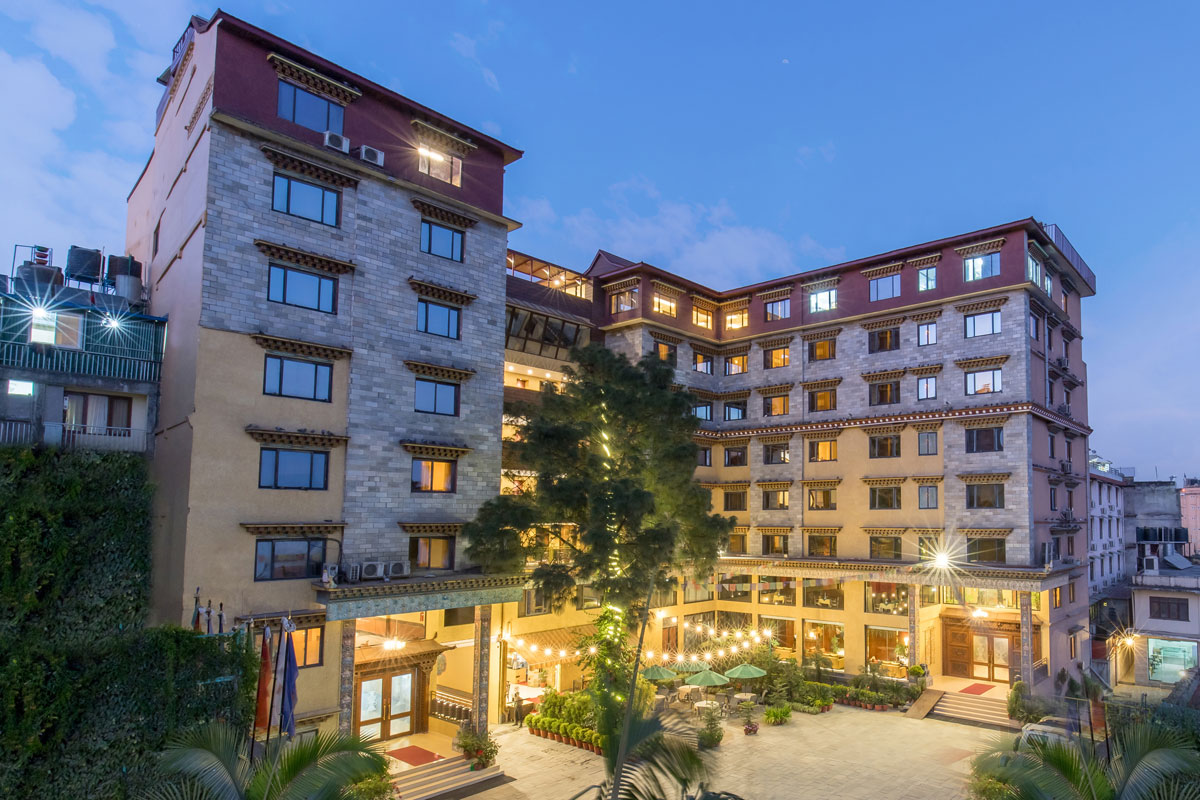
Hotel Tibet, a family-run boutique hotel that have blended traditional Tibetan designs with a touch of modern simplicity.
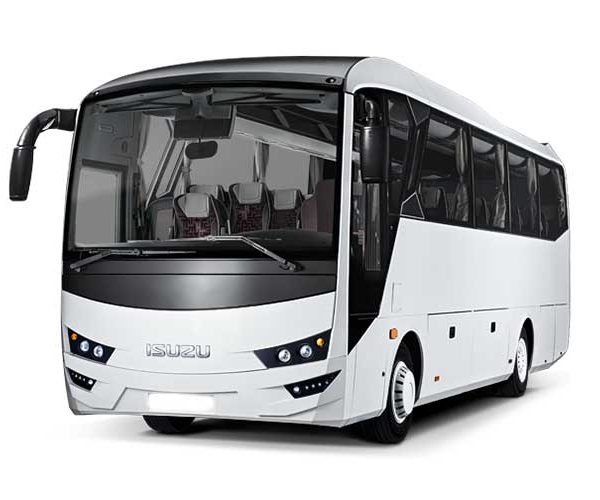
We provide professional Luxury Tourist Bus services designed for large groups, corporate retreats, and organized tours. Our fleet features modern, high-capacity buses equipped with comfortable reclining seats, full air conditioning, and wide windows for a premium sightseeing experience. With spacious under-carriage compartments for luggage and experienced drivers at the wheel, we ensure a safe, smooth, and relaxing journey on all major highways. Whether you are traveling across the city or across the country, our bus service offers the perfect blend of reliability, comfort, and affordability for your entire group.

Our Toyota Hiace service offers the perfect balance of speed, comfort, and flexibility for medium-sized groups and families. Known for its reliability and agility, the "Jumbo" Hiace provides a fast and efficient way to reach your destination, easily navigating both smooth highways and narrower mountain roads. With a high-roof design for extra headroom, air-conditioned interiors, and a private "door-to-door" service, we ensure a premium travel experience that gets you there ahead of the crowd.

Our Mahindra Scorpio 4WD service offers the ultimate combination of power, durability, and rugged luxury for explorers and small groups. Engineered to conquer the demanding terrain of the Himalayas, the Scorpio provides a robust and dependable way to navigate steep inclines, unpaved tracks, and challenging weather conditions. With its high ground clearance, heavy-duty suspension, and powerful 4x4 capabilities, our private "door-to-trailhead" service ensures you reach your destination safely and comfortably, no matter how remote. Featuring an ergonomic cabin, climate control, and ample space for expedition gear, we deliver a high-performance travel experience designed to get you deep into the heart of the mountains where others cannot follow.
WhatsApp +9779841603796
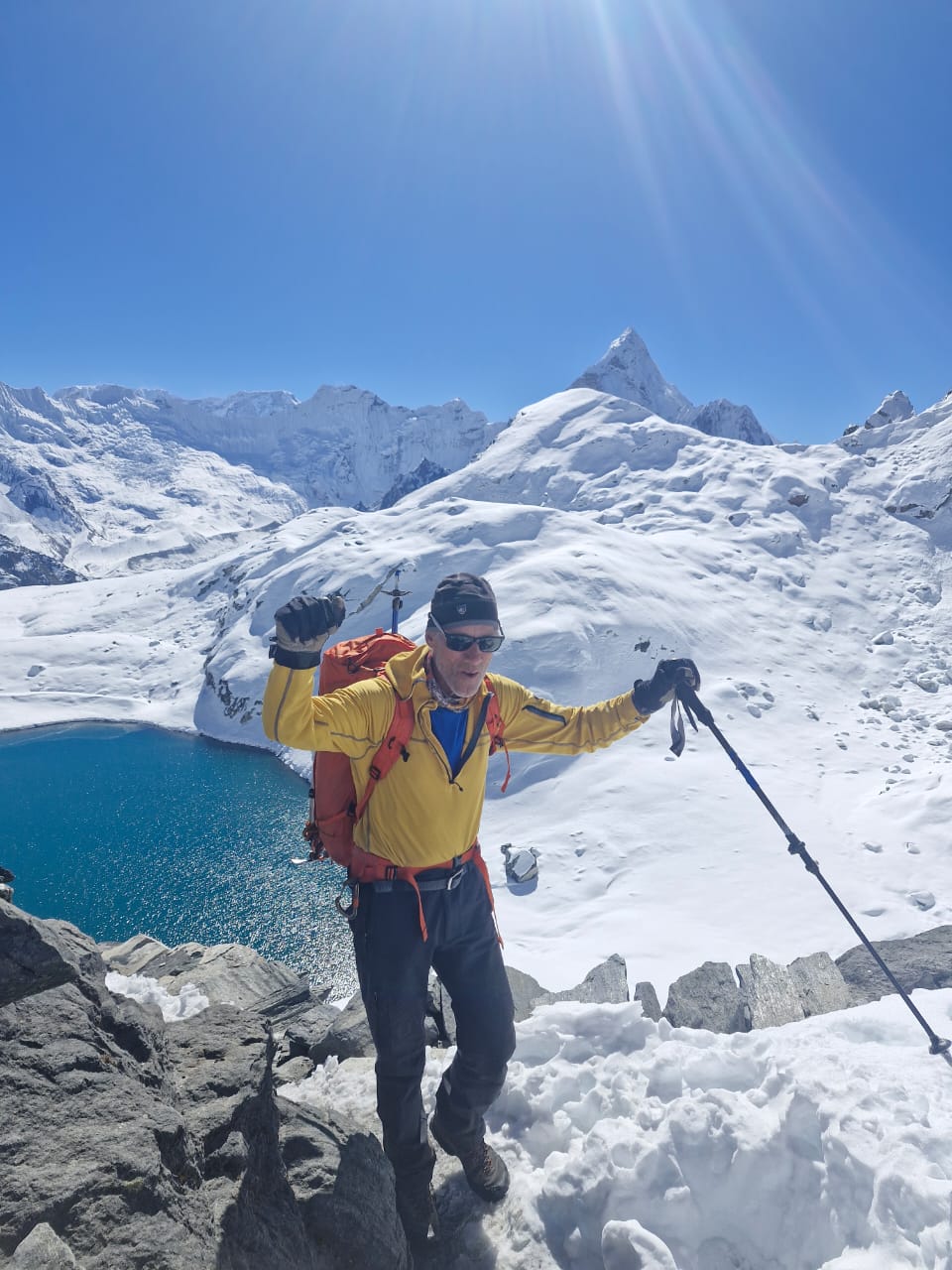
The Everest Three Passes Trek is one of the most spectacular and challenging treks...
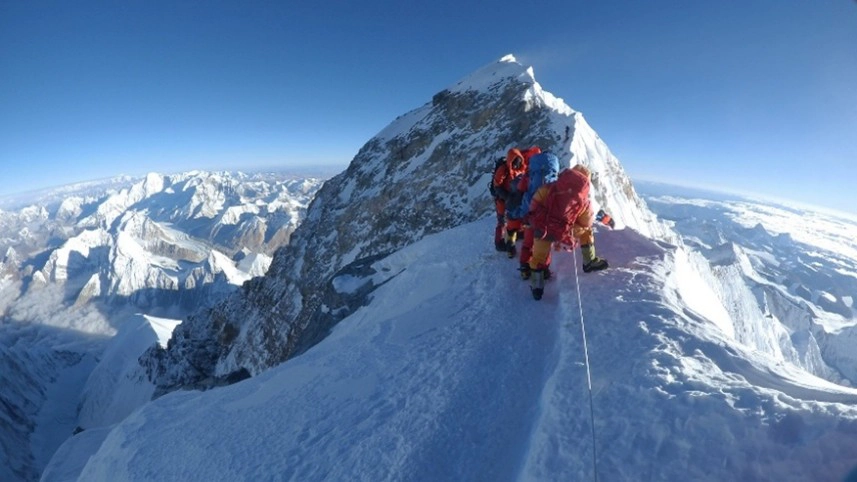
Himalayan Chemi Treks & Expedition invites you to join a life-changing journey to the...
The Mera Peak & Amphu Labcha Pass trek is one of Nepal’s most exciting...
From Everest Base Camp to hidden valleys of Mustang, let us design a journey that’s truly yours.
Start Planning My Trip